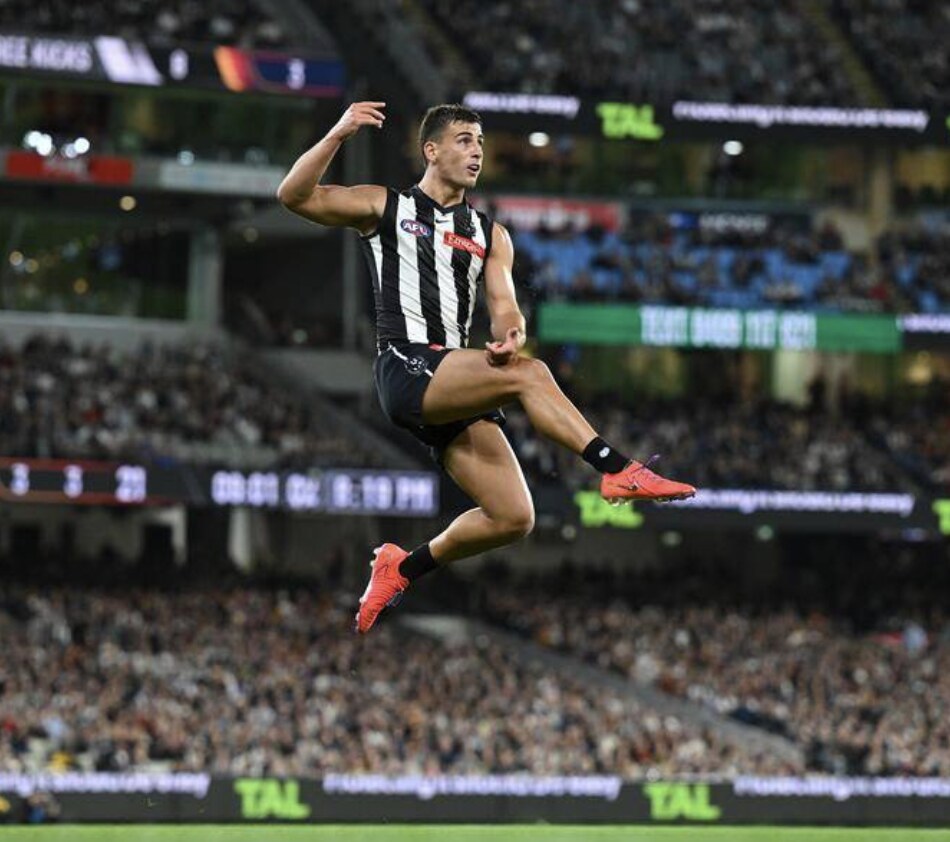
There are losses, and then there are endings. Collingwood got the second kind.
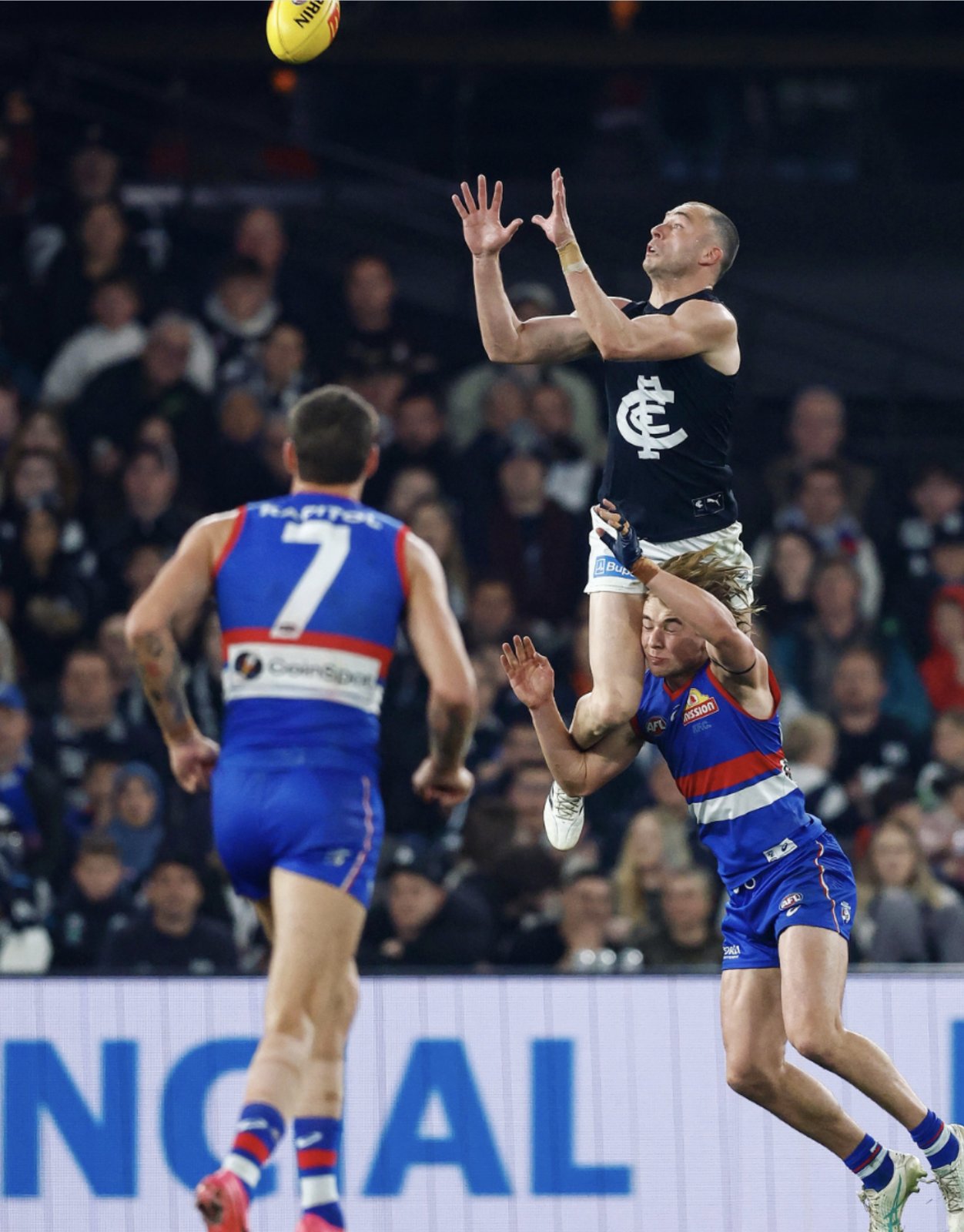
The wildcard final against the Western Bulldogs went to the last act available to it — a set shot after the siren, with the season on the boot. Tim Membrey lined it up three points down, needing the goal — a behind would not have saved them. The ball travelled toward the near right side and missed. Western Bulldogs 96, Collingwood 93.
The Bulldogs move on. Collingwood do not — and by the time the rooms had emptied, it was clear this was not just a season ending.
The kick
Every supporter of every club knows the shape of that moment: the siren has gone, the game is already over except for one kick, and the whole year narrows to a player standing alone with a football.
Membrey had it. It drifted right. Finals football does not offer a second attempt.
It is a cruel way to be beaten, and it is also the honest version of the wildcard round the AFL built. Sudden death does not care about percentage, season-long form, or which club has the better resume. One kick, and one of these two clubs was finished.
Pendlebury calls it — and heads north
The larger story arrived after the game. Scott Pendlebury has called it at Collingwood.
We flagged the injury three weeks ago — the knee bursa that ended his night early against Brisbane, in a game where he had eight first-quarter disposals and looked entirely in control before he walked off. At the time the question was whether he would be fit for a final. The answer, in the end, was a bigger one.
It does not appear to be the end of the football, though. Reports have Pendlebury heading to the Gold Coast Suns on a two-year deal in a player-coach role — the exact scenario we noted was circling when his future first came into question. Treat that as reported rather than confirmed until the Suns and Pendlebury say it themselves, but the shape of it has been visible for weeks.
A player-coach arrangement is a rare thing in the modern AFL, and it says something about how the competition rates his football brain that a club would build a role around it.
Sidebottom retires
And Steele Sidebottom is retired.
We wrote in August that the end of an unbelievable career was getting close, and that every game from that point carried weight: 373 games, two premierships, and nearly two decades in black and white. That is now the final tally.
Two players of that standing leaving in the same week is not a transition. It is the closing of a chapter that ran through two premiership eras, and there is no version of next season where Collingwood look like the same club.
What Collingwood are left with
The wreckage of the season is genuine. Darcy Moore, Jamie Elliott, Reef McInnes, Oscar Steene and Tew Jiath all lost the year to injury. Jeremy Howe, Brayden Maynard, Isaac Quaynor and Patrick Lipinski spent the run home in and out of the medical room. Then the two elder statesmen walked.
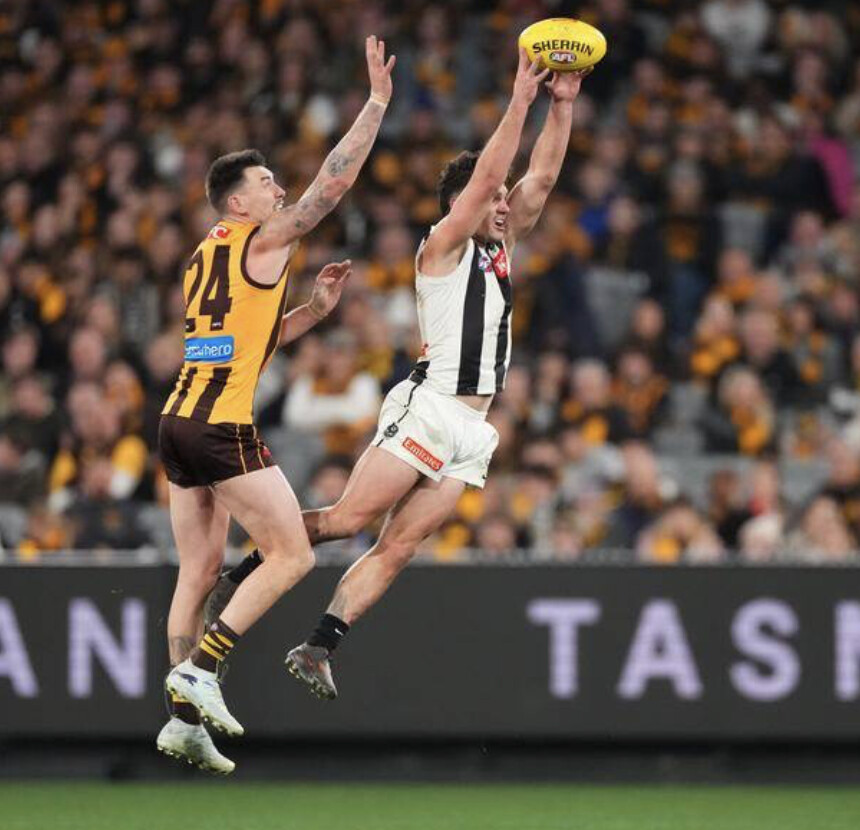
But the thing we wrote about in the middle of August is the thing that survives all of it. Sam Swadling arrived this season — a Rising Star nomination, a 29-disposal game against Hawthorn in his seventh match, and a spoil in the dying moments that saved a result. Will Hayes and Charlie West got their opportunities and took them. Jordan De Goey is in career-best touch.
That is not a rebuild from nothing. It is a list that has just lost its two most experienced players and still has a spine, and a group of kids who have now had a season of senior football and a September of hurt to learn from. The hurt is usually the useful part.